
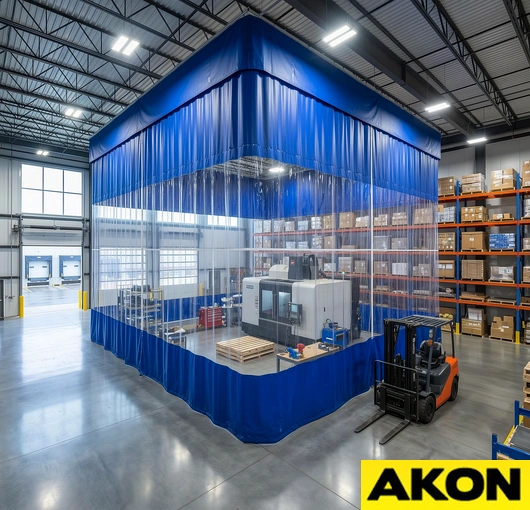
Key Takeaways (TL;DR)
- Permanent partition walls cost £100 to £150 per m² installed in the UK. Industrial curtain walls typically cost around a third of that.
- A permanent wall takes two to six weeks to complete. A curtain partition installs in hours, with zero wet trades and minimal operational disruption.
- Curtain walls require no planning permission in most UK industrial settings. Permanent walls often do.
- For most UK warehouses, industrial curtain walls deliver better short and medium-term ROI, especially where space requirements change regularly.
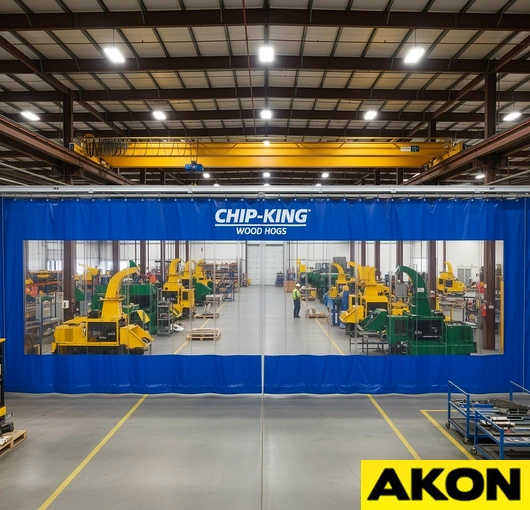
Why Does Warehouse Partitioning Cost So Much More Than Most Managers Expect?
Most warehouse managers underestimate partitioning costs by 60 to 80 percent because they price only the wall itself, ignoring permits, wet trades, drying time, and the hidden cost of business disruption during a multi-week install.
The decision to divide a warehouse space looks simple on paper. In practice, it is one of the most consequential infrastructure choices a facility manager makes. Get it wrong and you lock your operation into a rigid layout, spend a significant budget on construction, and face a demolition bill the moment your needs change.
We work with UK warehouse operators across manufacturing, logistics, and food production every week. The pattern we see repeatedly is this: a business chooses a permanent stud or blockwork wall to look professional and permanent, then regrets the decision twelve months later when their layout needs change. The wall stays because removing it costs as much as building it did.
The smarter approach starts with understanding the full cost picture of both options before a single order is placed.
"We had a contractor quote us £18,000 for a permanent blockwork partition to separate our dispatch area. We went with a curtain wall instead and had it installed in a day for under £2,500. Eighteen months later we expanded the dispatch zone by just pulling the track across. We could never have done that with a permanent wall." — Daniel Hartley, Operations Director, Midland Freight Solutions Ltd
Permanent Walls vs. Industrial Curtain Walls: Full Cost and Performance Comparison
| Factor | Permanent Wall | Industrial Curtain Wall | Advantage |
|---|---|---|---|
| Upfront Cost (per m²) | £100 to £150+ | £30 to £55 | ✓ Curtain Wall |
| Installation Time | 2 to 6+ weeks | Hours to 2 days | ✓ Curtain Wall |
| Planning Permission | Often required | Not required | ✓ Curtain Wall |
| Reconfiguration | Demolition required | Slides or relocates in minutes | ✓ Curtain Wall |
| Thermal Zoning | Good (fixed) | Good (R3 insulated option) | Equal |
| Sound Attenuation | Excellent | Moderate (18oz vinyl) | ✓ Permanent Wall |
| Security | High | Low to moderate | ✓ Permanent Wall |
| Disruption During Install | High (wet trades, dust) | Minimal | ✓ Curtain Wall |
| Removal Cost | £500 to £2,000+ | Near zero | ✓ Curtain Wall |
| Lifespan | Decades (fixed) | 10 to 15 years (replaceable panels) | ✓ Permanent Wall |
What Does a Permanent Warehouse Partition Wall Actually Cost in the UK?
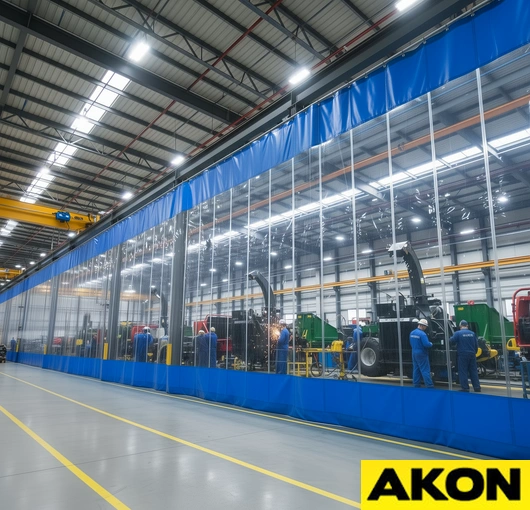
A standard metal or timber stud partition wall in a UK industrial setting costs between £100 and £150 per m² fully installed, and that figure excludes planning fees, electrical rerouting, fire compliance upgrades, and the weeks of lost productivity during construction.
UK tradespeople charge £60 to £85 per m² in labour alone for a standard stud wall install. Add materials, plastering, and commercial fire-rated boarding, and you land firmly at £100 to £150. For a modest 10m x 3m warehouse partition, that is £3,000 to £4,500 before you add:
- Planning / building regs: £500 to £2,000 depending on scope
- Fire-rated boarding: £15 to £35 per m² additional in commercial premises
- Electrical rerouting: £275 to £450 per outlet
- Business disruption: two to six weeks of reduced throughput in the affected zone
The true all-in cost of that 30m² partition is frequently £5,000 to £8,000.
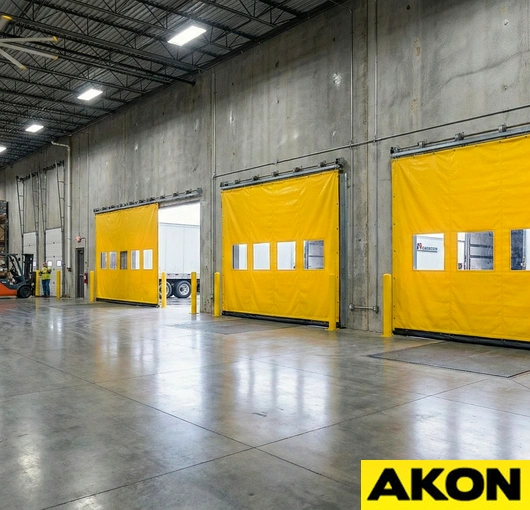
How Much Does an Industrial Curtain Wall Cost?
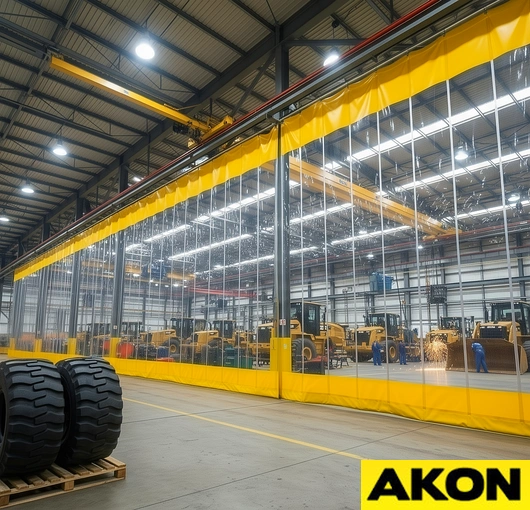
A custom industrial vinyl curtain wall for a 30m² opening typically costs £1,300 to £2,450 all-in, including overhead track, with no wet trades, no permits, and a one-day installation.
Curtain material for a 30m² opening runs £900 to £1,650. An overhead track system adds £400 to £800. The saving over a permanent wall on a single opening is typically £3,000 to £6,000. On a facility with three or four partition requirements, the cumulative difference can exceed £15,000 to £20,000 in year one alone.
Our clients consistently report 40 to 60 percent reductions in conditioned air volume after installing insulated vinyl curtain walls to zone heated packing areas from unheated storage bays. Noise management is another measurable benefit, particularly in facilities where welding or high-cycle machinery runs adjacent to general staff areas.
When Does a Permanent Wall Still Make Sense?
A permanent wall earns its cost premium in three specific scenarios: where maximum acoustic separation is non-negotiable, where high physical security is required, or where a wall forms part of a rated fire compartment under building regulations.
In a recording studio, a secure high-value components cage, or a fire-compartmented plant room, a permanent wall is the right call. For the vast majority of warehouse, production, and logistics partitioning applications, none of these conditions apply. Our experience is that fewer than 15 percent of partitioning enquiries we receive actually require a permanent wall.
Frequently Asked Questions
How much cheaper is an industrial curtain wall compared to a permanent partition?
An industrial curtain wall typically costs around one third of the price of a permanent stud or blockwork partition. UK permanent walls run from £100 to £150 per m² installed. A custom vinyl curtain wall generally falls between £30 and £55 per m², excluding track hardware.
Do industrial curtain walls require planning permission in the UK?
In most cases, no. Industrial curtain walls are classed as a moveable fitting rather than a structural alteration, so they fall outside the scope of building regulations in the majority of warehouse and factory settings. Always confirm with your local authority for your specific site.
How long does it take to install a warehouse curtain partition?
Most industrial curtain wall installations complete within a single working day. Larger multi-run configurations with freestanding track systems may require two days. Compare that to permanent stud or blockwork walls, which typically take two to six weeks including wet trades and drying time.
Can industrial curtain walls provide thermal insulation?
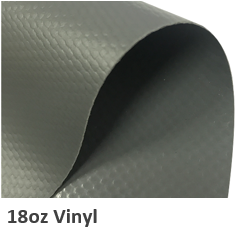
Yes. AKON's insulated vinyl curtain walls use a twin-skin 18oz vinyl construction with an R3 thermal rating and 13mm total thickness. This delivers meaningful temperature separation between warehouse zones, reducing heating and cooling costs without the lead time or cost of a permanent wall.
How Much Does an Industrial Curtain Wall Cost and What Does the Difference Buy You?
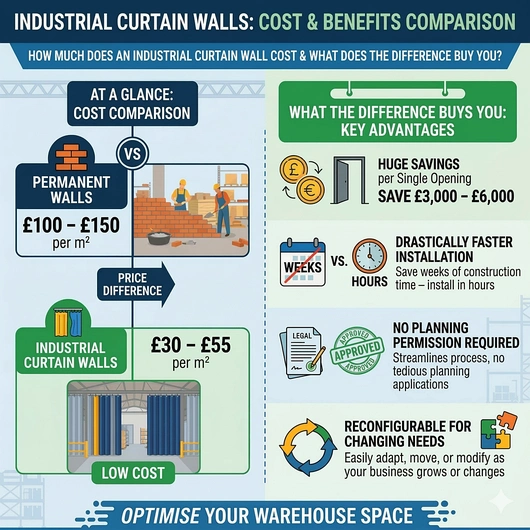
At a Glance: Cost Comparison
- Permanent walls: £100–£150 per m²
- Curtain walls: £30–£55 per m²
- Typical install time saving: weeks vs. hours
- Saving on a single opening: £3,000–£6,000
- No planning permission required
- Reconfigurable as your needs change
Six Reasons UK Warehouses Choose Curtain Walls Over Permanent Partitions
Fully Reconfigurable
Slide, reposition, or remove your curtain wall in minutes as your operational layout evolves. A permanent wall cannot do this.
No Planning Permission Required
Classified as a moveable fitting in most UK industrial settings, so no building regs application or local authority sign-off is needed.
Costs ~1/3 of a Permanent Wall
At £30–£55 per m², a curtain wall delivers the same zone separation for a fraction of the build cost.
Installed in Hours, Not Weeks
Most installations complete in a single working day. Permanent walls require two to six weeks of wet trades and site disruption.
R3 Thermal Rating Available
Twin-skin 18oz insulated vinyl delivers meaningful temperature zoning, cutting conditioned air volume by up to 60 percent.
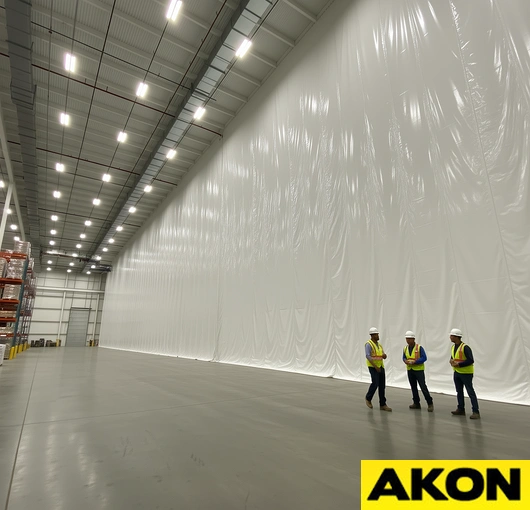
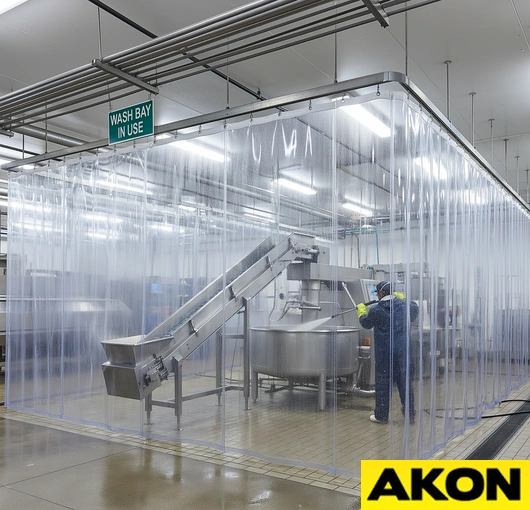
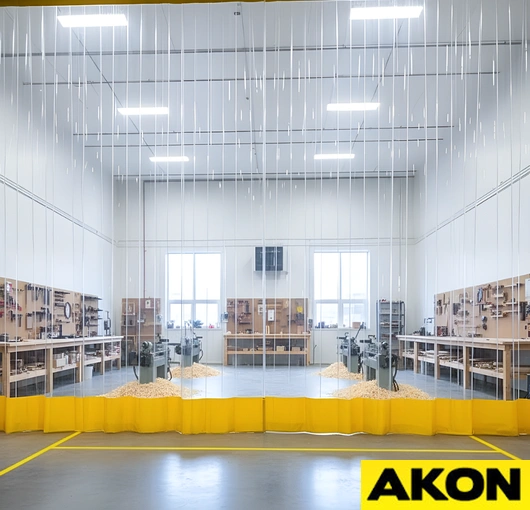
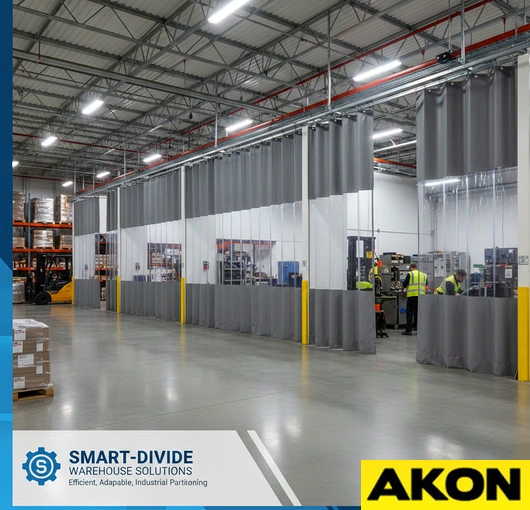
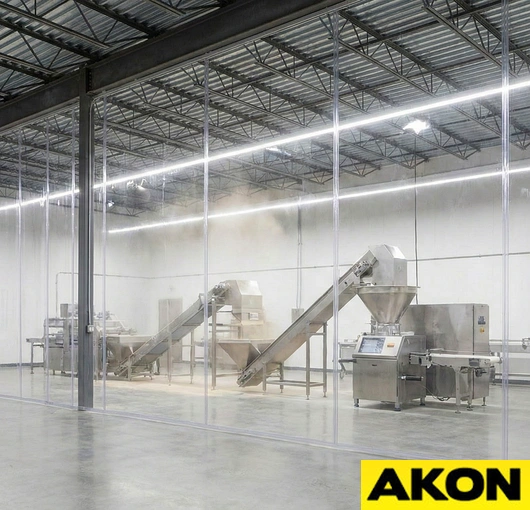
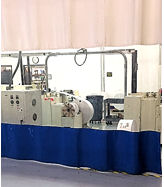
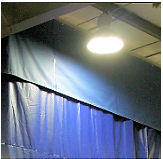
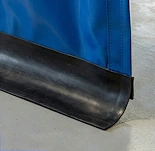
Warehouse Curtain Wall Installations
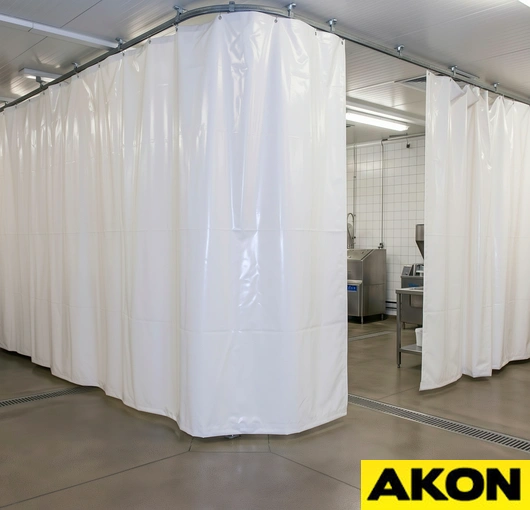
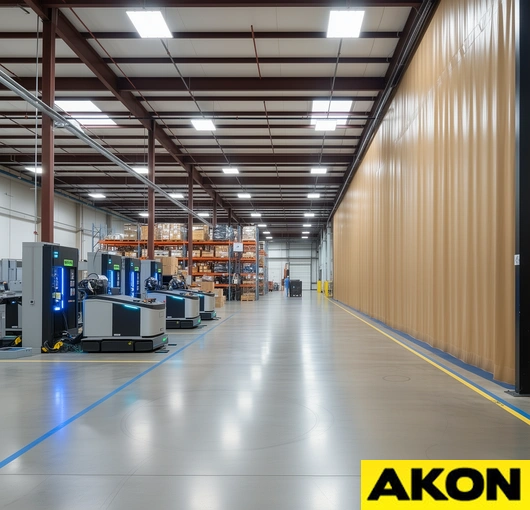
Curtain Track
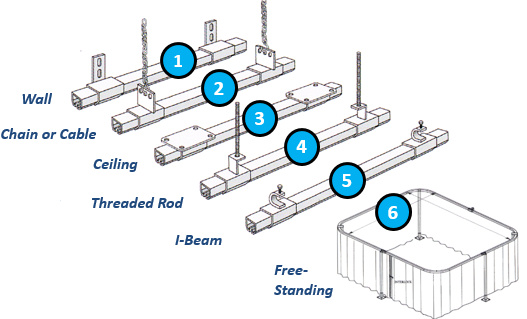
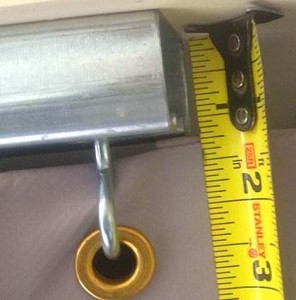
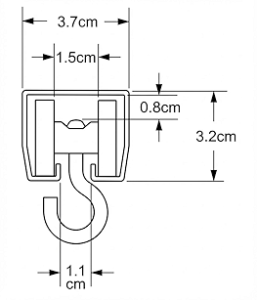
- 16-gauge galvanized steel tracks
- Nylon roller hooks for easy opening
- 6 mounting styles to connect to various structures
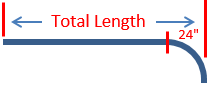
- Free-standing hardware for heights up to 5 m
Static Mount Hardware
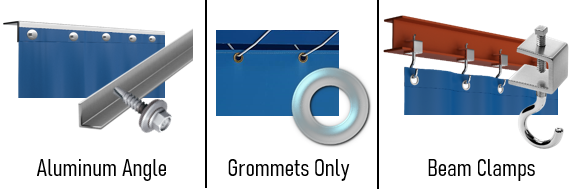
- Aluminum Angle - Use with self-tapping Tek screws to pinch the curtain to the angle.
- Grommets Only - You can then use many DIY methods to hang the curtains.
- Beam Clamps - Clamps onto the flange of beams, joists, and purlins.

Build Yours Online
Related Products
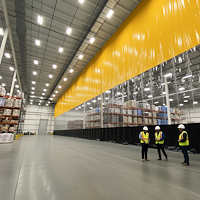
Warehouse Divider Curtains

Warehouse Insulated Curtains

Warehouse Strip Curtains
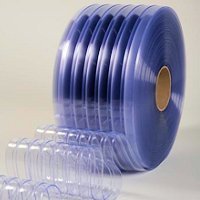
Warehouse Replacement Strips
Contains: BlogPosting + FAQPage + Organization JSON-LD.
Visible in editor only. Do not duplicate or edit manually.