

OVERVIEW
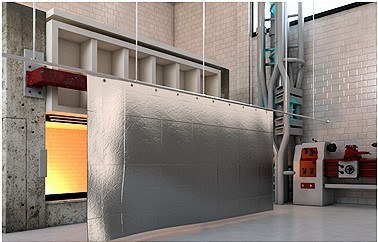
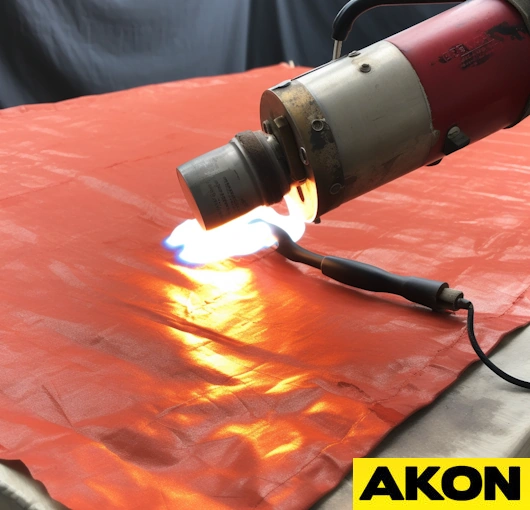
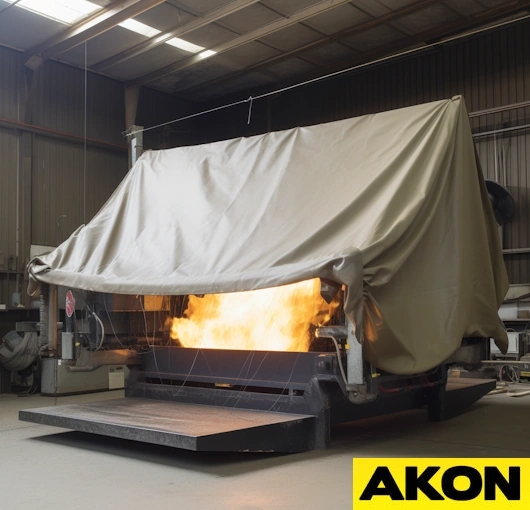
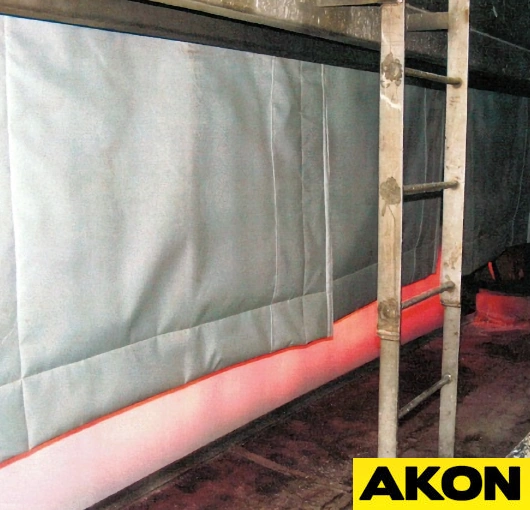
Industrial heat resistant curtains form a flexible thermal barrier between high-temperature processes and the surrounding work area. Whether the heat source is a glass furnace, a powder-coating oven, or a welding cell, these curtains block radiant energy, deflect sparks, and resist molten splash — all while allowing quick access via track-mounted rollers or simple push-aside openings. Seven material grades are available, ranging from lightweight spark-resistant fabrics through to insulated, reflective composites rated for intermittent exposure above 1,600 °C.
Protection From Extreme Heat
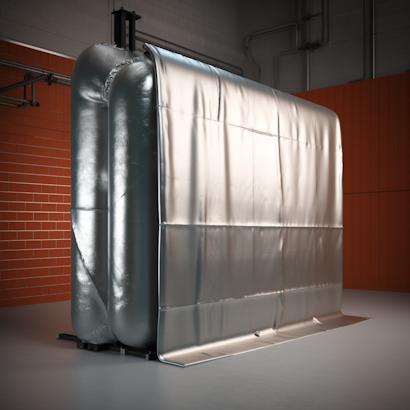
Heat Resistant Curtain Materials
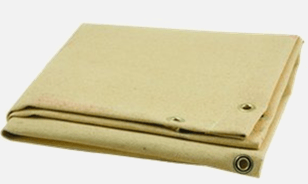
Model: CDH-1000
Curtain Colour: Yellow
Material: Acrylic Coated Fiberglass – 24 oz. / 0.89 mm thick
Temperature Rating: 538º C
Ideal For: Sparks, spatter, and abrasion-prone environments
Insulated: No
Reflective: No
Grommets: Every 30 cm – along the top edge
Note: Flexible enough for industrial curtain track, allowing the panel to slide open for full access.
Price: €
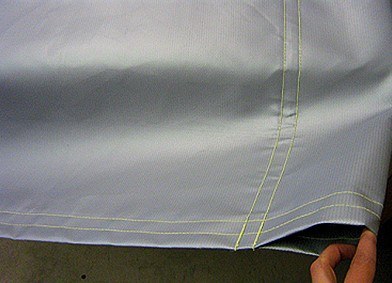
Model: CDH-2000
Curtain Colour: Grey on both sides
Material: Coated fiberglass
Temperature Rating: 260º C continuous and 1093º C intermittent
Ideal For: Sparks, spatter, and abrasion-prone environments
Insulated: No
Reflective: No
Grommets: Every 30 cm – along the top edge
Note: Flexible enough for curtain track mounting; slides open for access when needed.
Price: €€
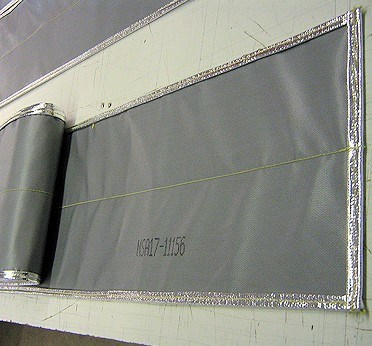
Model: CDH-3000
Curtain Colour: Grey rear / reflective front
Material: Coated fiberglass / aluminised Kevlar – 2.54 mm thick
Temperature Rating: 260º C continuous and 1093º C intermittent
Ideal For: Sparks, spatter, and abrasion-prone environments
Insulated: No
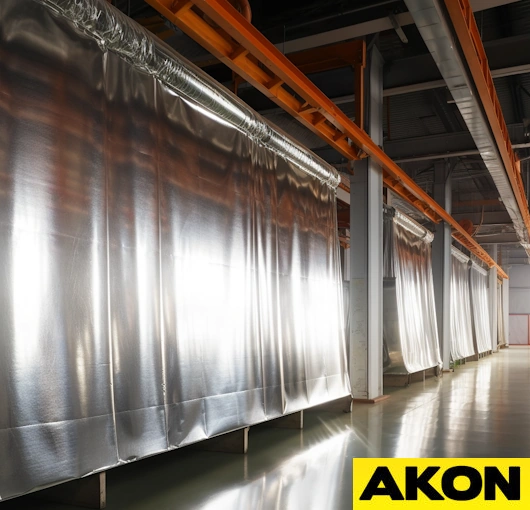
Reflective: Yes
Grommets: Every 30 cm – along the top edge
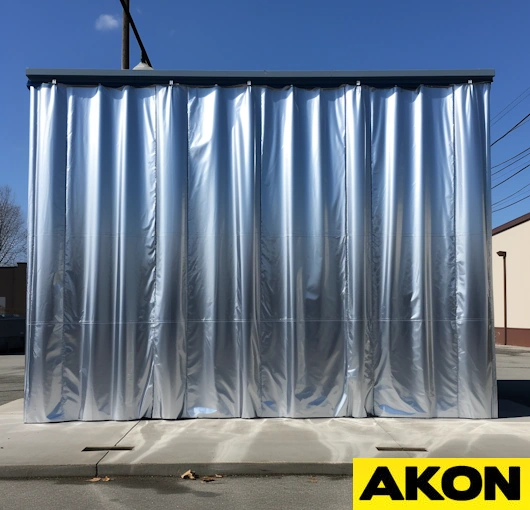
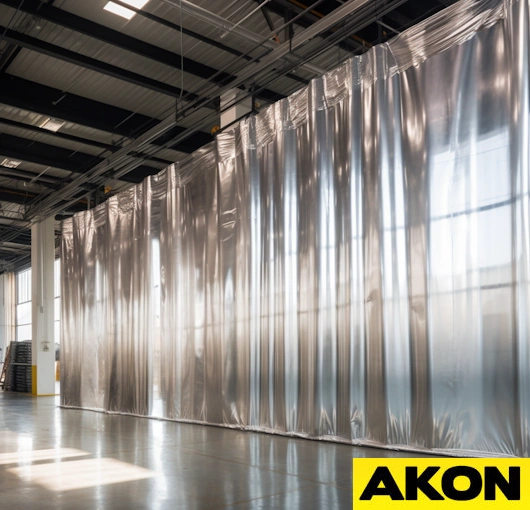
Note: The aluminised face reflects radiant heat back towards the source, protecting the work area behind. Flexible enough for track mounting.
Price: €€
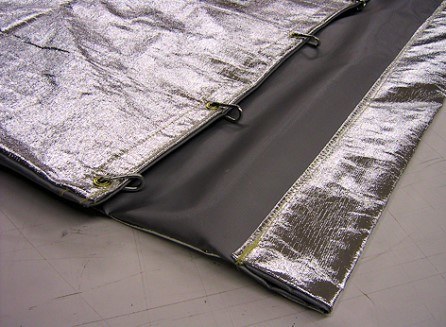
Model: CDH-4000
Curtain Colour: Grey rear / reflective front
Material: Coated fiberglass / aluminised Kevlar – 6.35 mm thick
Temperature Rating: 260º C continuous
Ideal For: Sparks, spatter, and abrasion-prone environments
Insulated: Yes
Reflective: Yes
Grommets: Every 30 cm – along the top edge
Note: Best suited to fixed installations. Reflects heat back towards the source while providing insulating value on the protected side.
Price: €€€
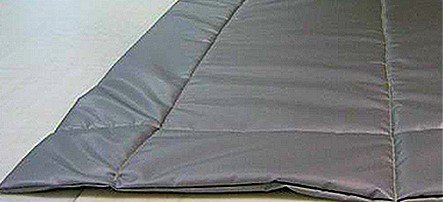
Model: CDH-5000
Curtain Colour: Grey on both sides
Material: Coated fiberglass both sides – 6.35 mm thick
Temperature Rating: 260º C continuous and 1093º C intermittent
Ideal For: Sparks, spatter, and abrasion-prone environments
Insulated: Yes
Reflective: No
Grommets: Every 30 cm – along the top edge
Note: Best suited to fixed installations where insulation is the priority. Maintains distinct temperature zones on either side of the curtain.
Price: €€€
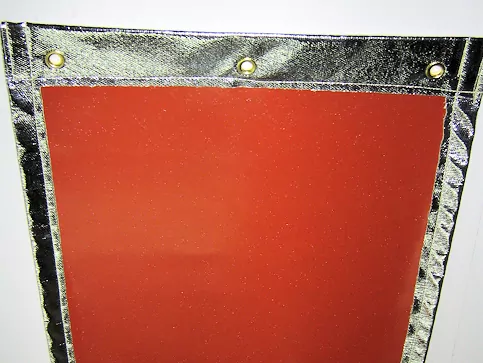
Model: CDH-6000
Curtain Colour: Reflective rear / red front
Material: Coated fiberglass both sides – 6.35 mm thick
Temperature Rating: 260º C continuous and 1649º C intermittent
Ideal For: Sparks, molten spatter, and abrasion-prone environments
Insulated: No
Reflective: Yes
Grommets: Along the top edge
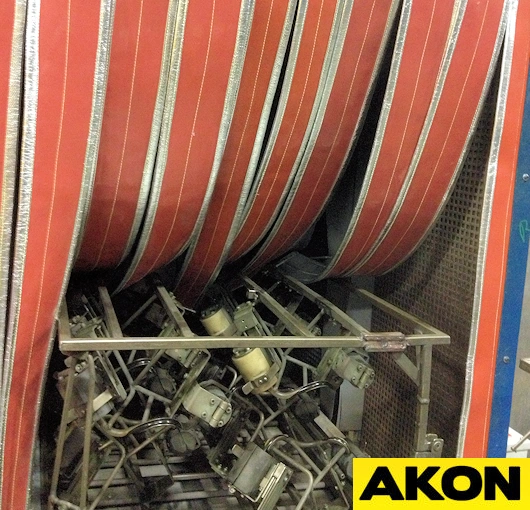
Note: Designed for pass-through applications where parts enter and exit high-heat zones. The reflective face contains radiant energy within the process area.
Price: €€€
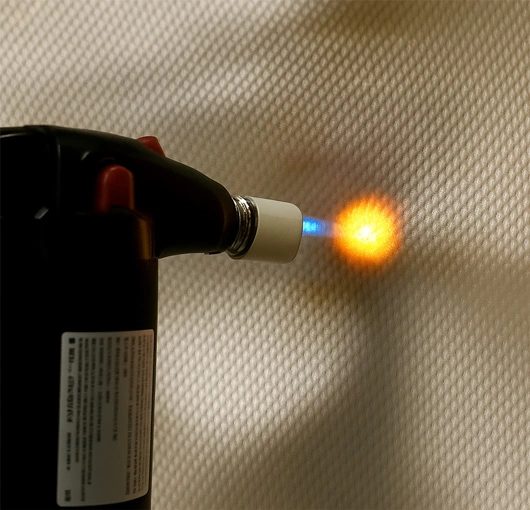
Model: CDH-7000
Curtain Colour: Grey on both sides
Material: Woven Silica
Temperature Rating: Rated for 1100 °C continuous
Ideal For: Outstanding resistance to ozone, oxidisation, UV, corona, cosmic radiation, ionising radiation, and general weathering
Insulated: Yes
Reflective: No
Grommets: Every 30 cm – along the top edge
Note: Best suited to fixed installations where extreme continuous heat and insulation are both required.
Price: €€€
High Heat Endurance
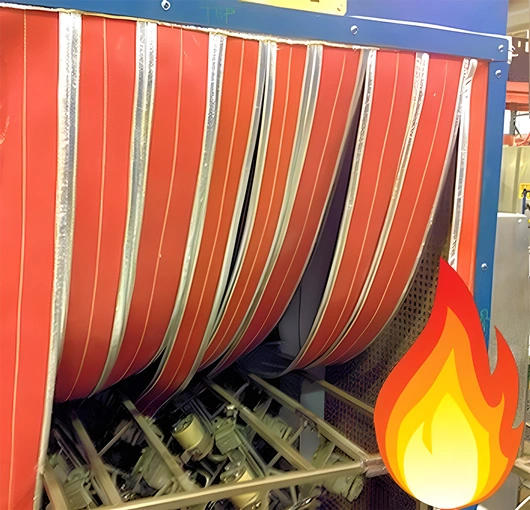
Heat Resistant Strip Curtains
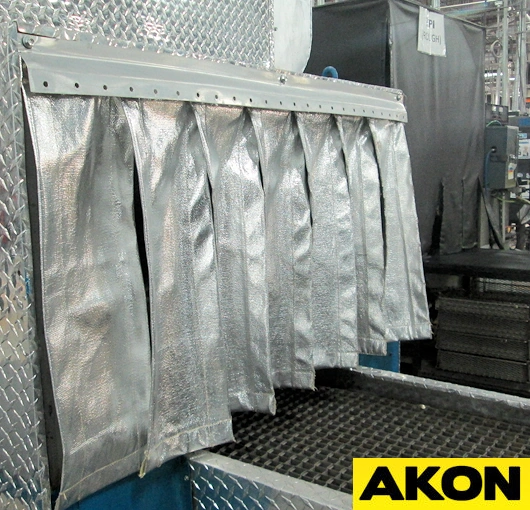
The same high-temperature materials can be fabricated into individual strips for openings that need regular pass-through access. These strips are widely used at conveyor mouths on curing ovens and powder-coating lines, where they keep radiant heat inside the process area and reduce energy costs. Wider strips are available for larger openings. Key advantages include:
- Significantly reduce heat loss through open doorways
- Withstand temperatures that standard PVC strip curtains cannot endure
- Each strip bolts individually, so worn sections are quick to replace
- Available in multiple widths to suit different opening sizes
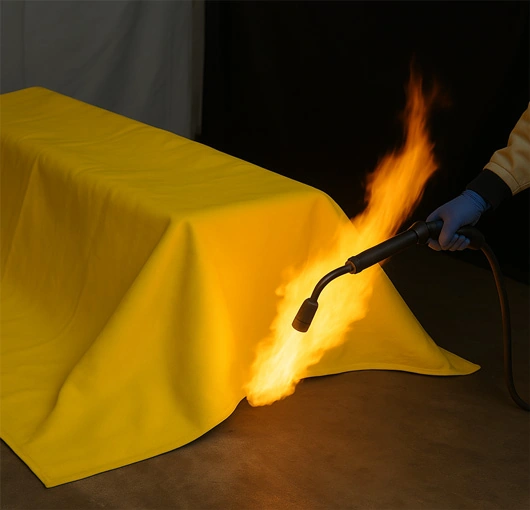
Considerations for Heat Resistant Curtains
Choosing the right heat resistant curtain starts with understanding the thermal demands of your specific process. Four key factors will determine which material grade and mounting method suit your site:
- What is the peak temperature the curtain will face?
- How long will the curtain be exposed to that temperature — continuously or in short bursts?
- What distance separates the curtain from the heat source?
- Do you need to block and reflect the heat, or contain it within an enclosure?
Mounting Options
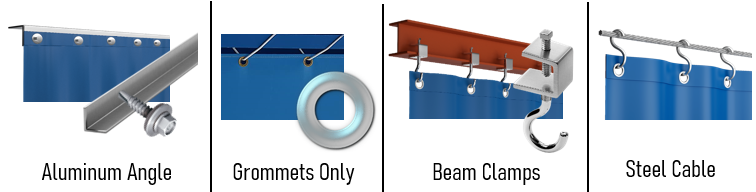
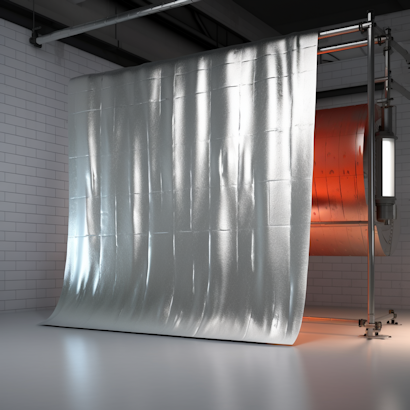
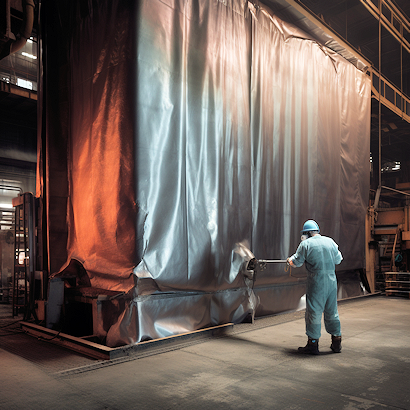
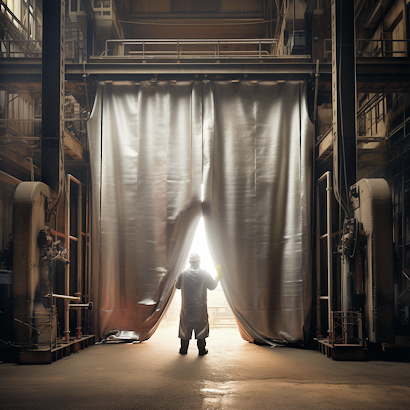
Several mounting methods are available for heat resistant curtains, each suited to a different site requirement. The images above illustrate the four most common approaches.
- The first is a static mount using angle iron fixed to the existing steelwork; the curtain attaches through grommets spaced every 30 cm along the top edge.
- The second shows a track-and-trolley system with steel rollers that let the curtain slide open and closed.
- The third uses a steel aircraft cable strung between two fixing points, with S-hooks supporting the curtain along its length.
Photo Gallery
Build Yours Online
This is hidden from customers. It contains Google code (Service & FAQ).
If you duplicate this page, remember to update the text inside!